One of the therapies offered at Quantic Healing is Sekhem Seichim Reiki, often referred to as Egyptian Reiki. While the best-known form of Reiki was developed in early twentieth-century Japan by Mikao Usui, some Egyptological research has explored references to ancient forms of spiritual and energetic healing, linked to goddess Sekhmet. Drawing inspiration from these traditions, Patrick Zeigler developed Seichim in the late twentieth century after a series of meditations in Egypt.
Today, Japanese Reiki is widely recognized and practiced in many healthcare settings through structured methodologies and protocols. Sekhem Seichim is less widely known but is valued by many practitioners as a powerful path of healing and transformation. This article was inspired by clients who expressed an interest in learning more about its origins and principles. Namaste!
The Meaning of Sekhem
The word Sekhem comes from ancient Egypt and can be translated as “power,” “strength,” “authority,” or “spiritual energy.” It referred not only to physical force but also to a divine energy associated with vitality, awareness, and sacred empowerment.
In modern practice, Sekhem Seichim Reiki is a form of energy healing, often practiced alongside Reiki. Also, the concept of Sekhem is frequently associated with the goddess Sekhmet, one of the most powerful deities of ancient Egypt. As a result, Sekhmet has become an important spiritual archetype within many Sekhem Seichim traditions, symbolizing healing, transformation, and inner courage.
Historical Origins of Sekhem Seichim
The modern system of Sekhem Seichim traces its origins to Patrick Zeigler’s experiences inside the Great Pyramid of Giza in 1980. Following these experiences and subsequent Reiki training, he developed a healing system that became known as Seichim. Over the years, different teachers expanded and adapted the practice, leading to Seichem, Sekhem, or SKHM.
Although these systems draw inspiration from ancient Egyptian symbolism, there is no historical evidence that they were directly preserved from Pharaonic times. Instead, many practitioners view Sekhem Seichim as a contemporary healing modality inspired by timeless spiritual principles rather than as a reconstruction of an ancient Egyptian practice.
A Multidimensional Healing System
Like Japanese Reiki, Sekhem Seichim Reiki is based on the idea of a universal life force that flows through all living beings. The system uses energetic attunements and sacred symbols to facilitate healing, not only on the physical body, but also on emotional, mental, and subtle energetic levels.
From this perspective, Sekhem Seichim seeks to promote balance, clarity, self-awareness, and spiritual development. Practitioners often describe the experience as one of opening the heart, expanding consciousness, and creating a deeper connection with the Higher Self and the Source.
Many people report feelings of peace, emotional release, renewed vitality, and greater inner harmony following sessions. While experiences vary from person to person, the practice is generally approached as a complementary method that supports overall well-being.
Sekhmet: Goddess of War and Healing
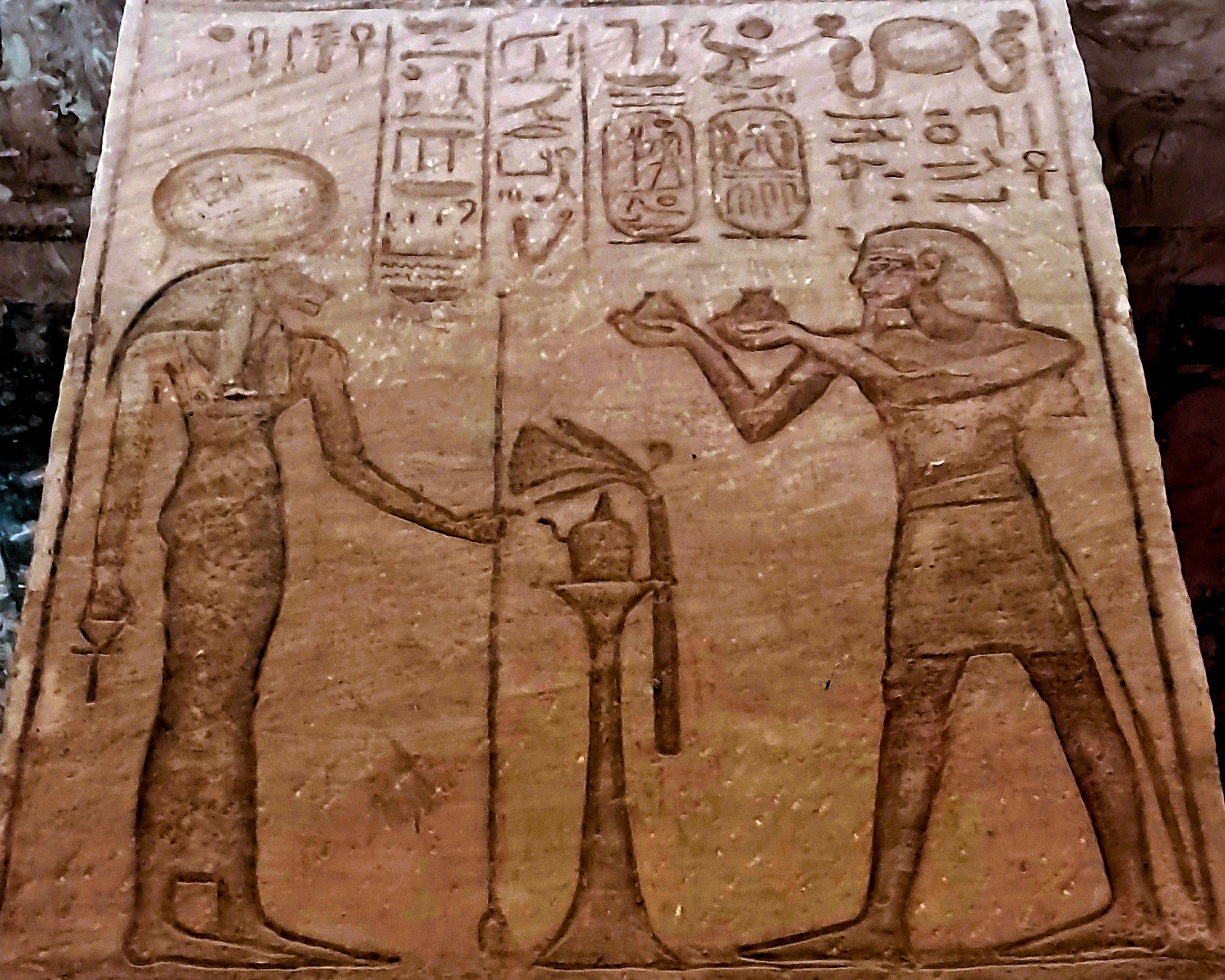
Among the most fascinating figures in ancient Egyptian spirituality is the goddess Sekhmet, depicted as a woman with the head of a lioness and crowned with the solar disk. She was regarded as one of the most powerful deities in the Egyptian pantheon.
Sekhmet was revered as a fierce protector and feared for her destructive power, yet she was also worshipped as a goddess of healing. Her priests and priestesses were closely associated with medicine, healing arts, and ritual practices. In fact, some of the earliest known references to physicians in ancient Egypt are connected to the priesthood of Sekhmet.
Ancient medical papyri and religious texts frequently invoke her protection and assistance in matters of health and well-being. Temple inscriptions and ritual scenes also reflect her importance in the spiritual and healing traditions of Egypt.
The Temple of Sekhmet
One of the most impressive examples of Sekhmet’s importance can be found within the Temple of Mut at Karnak. During the reign of Pharaoh Amenhotep III, hundreds of statues of the goddess were commissioned and placed throughout the temple complex.
Researchers believe these statues played a significant role in rituals intended to invoke divine protection and healing for both the Pharaoh and the kingdom. Their extraordinary number reflects the deep reverence that the ancient Egyptians held for Sekhmet and her powers.
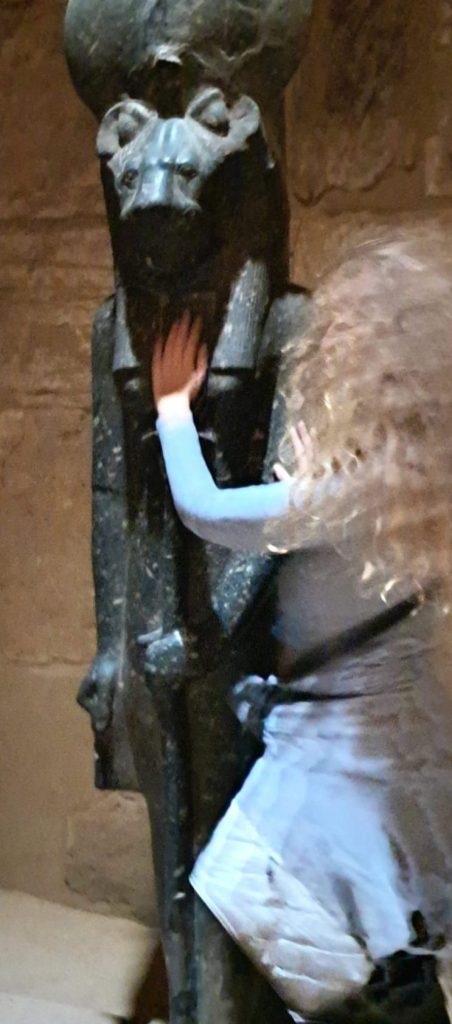
Today, some spiritual journeys to Egypt include meditations at sites associated with the goddess. Visitors may encounter surviving statues of Sekhmet within the Karnak complex, including the striking black granite statue located in the Temple of Ptah.
After visiting these sites, and as a personal note, I can share that an unexpected healing took place in this unique atmosphere. This change was observed by the person who had firsthand knowledge of my condition before and after the event.
Ancient Symbolism, Modern Practice
Although no direct historical link has been established between modern Sekhem Seichim Reiki and the healing methods documented in ancient Egyptian temples, Egyptian symbolism continues to inspire practitioners around the world.
For many practitioners, Sekhmet represents the transformative power needed to overcome obstacles, release limiting patterns, and awaken inner courage. Sekhem Seichim can therefore be understood as a modern healing practice influenced by timeless archetypes, particularly the transformative qualities represented by Sekhmet.
Whether approached as a complementary healing modality or a path of self-discovery, it encourages exploration of the relationship between energy, consciousness, and personal transformation.
Feel free to contact us to explore a transformative energy healing experience inspired by Sekhmet’s divine healing energy.